Council Tree Removal Applications Sydney: Report and Evidence Guide
Understand Sydney council tree removal application documentation, when an arborist report may be needed, and how to prepare photos, forms, and evidence.

Aymon Dandan
12 min read • 15 May 2025 • Updated 23 May 2026
Key Takeaways
- Sydney council tree removal application requirements vary by council, tree size, species, location, condition, and development context
- Professional arborist reports help document tree condition, site context, risk, and recommendations for council assessment
- Most Sydney council tree applications need clear photos, property details, tree information, and a reason for the requested work
- Penalties for unauthorised tree removal in Sydney can be significant, so council requirements should be checked before works begin
- Replacement planting may be required where council approves removal
- Safety hazards, property damage, and dead or declining condition need evidence rather than assumptions
Understanding Sydney Council Tree Removal Applications
Direct answer: A Sydney council tree removal application usually needs the council form, property details, tree information, photos, reason for removal, and sometimes an AQF Level 5 arborist report. Requirements vary by council, tree size, species, location, health, and whether development is involved.
Sydney's urban canopy is a vital part of our city's ecosystem and character, providing shade, improving air quality, and supporting local wildlife. To protect this valuable resource, local councils throughout Sydney have established strict regulations governing tree removal on private property.
For property owners, navigating these regulations can be challenging, with each council having its own specific requirements, forms, and application processes. Whether you're dealing with a hazardous tree, planning development, or simply managing your garden, understanding the proper application process helps avoid avoidable penalties and delays.
At Sydney Arborist Solutions, we prepare council tree reports that help property owners understand the documentation commonly needed for tree work applications across Sydney's diverse local government areas. This guide explains the application process and the role of professional arboricultural evidence.
Understanding Different Council Requirements
One of the most challenging aspects of tree removal in Sydney is that requirements vary significantly between different council areas. What's permitted in one suburb might require extensive documentation in another.
1. Major Sydney Council Approaches
Here's how some of Sydney's major councils approach tree removal applications:
- Northern Beaches Council: Requires a tree permit application for most trees over 3 metres tall. Dead or severely diseased trees may qualify for exemption certificates.
- North Sydney Council: Has strict tree preservation orders protecting trees over 10 metres tall or with a trunk diameter exceeding 200mm.
- Inner West Council: Requires permits for trees over 4 metres tall or with a trunk diameter greater than 150mm measured at 1.4 metres above ground level.
- City of Sydney: Requires approval for removal of trees taller than 5 metres, with a spread of more than 5 metres, or with a trunk diameter exceeding 300mm at ground level.
- Sutherland Shire Council: Has detailed tree and bushland vegetation management policies requiring permits for most established trees.
- Randwick City Council: Controls the removal of trees over 3 metres in height or with a trunk diameter of 75mm or greater measured at ground level.
- Willoughby City Council: Protects trees over 4 metres in height or with a crown spread of 3 metres or more. Also requires permits for trees with a trunk diameter of 150mm or greater at 1.4 metres from ground level.
- City of Ryde: Covers trees over 3 metres in height, or with a trunk diameter of 100mm or more measured at 1.4 metres above ground level.
- Hornsby Shire Council: Regulates trees over 3 metres tall or with a diameter greater than 75mm measured at 1.4 metres above ground level.
- Waverley Council: Requires permits for trees with a height of 5 metres or more or a canopy spread of over 5 metres.
Before proceeding with any tree work, it's vital to check your specific council's website or contact their planning department directly. Alternatively, consult with our arborists to confirm what documentation is likely to be needed for the property, council, and reason for the application.
The Step-by-Step Application Process
While specific requirements vary between councils, the general process for obtaining tree removal approval follows these steps:
Step 1: Determine if You Need a Permit
Before applying, confirm whether your specific tree requires council approval for removal. Consider:
- Tree species: Some councils exempt certain species (particularly invasive or weed species)
- Tree size: Most councils only regulate trees above certain height or trunk diameter thresholds
- Tree location: Trees in heritage conservation zones or on properties with heritage listings often have stricter requirements
- Tree health: Dead, dying, or demonstrably hazardous trees may have simplified application processes
- Exceptions: Emergency situations where trees pose immediate danger may allow for retrospective approval
Step 2: Gather Required Documentation
A complete application typically requires:
- Council application form: Available from your council's website or offices
- Property details: Including lot and DP number from your rates notice
- Tree information: Species, size, location, and reason for removal request
- Site plan: Showing the location of the tree(s) relative to buildings
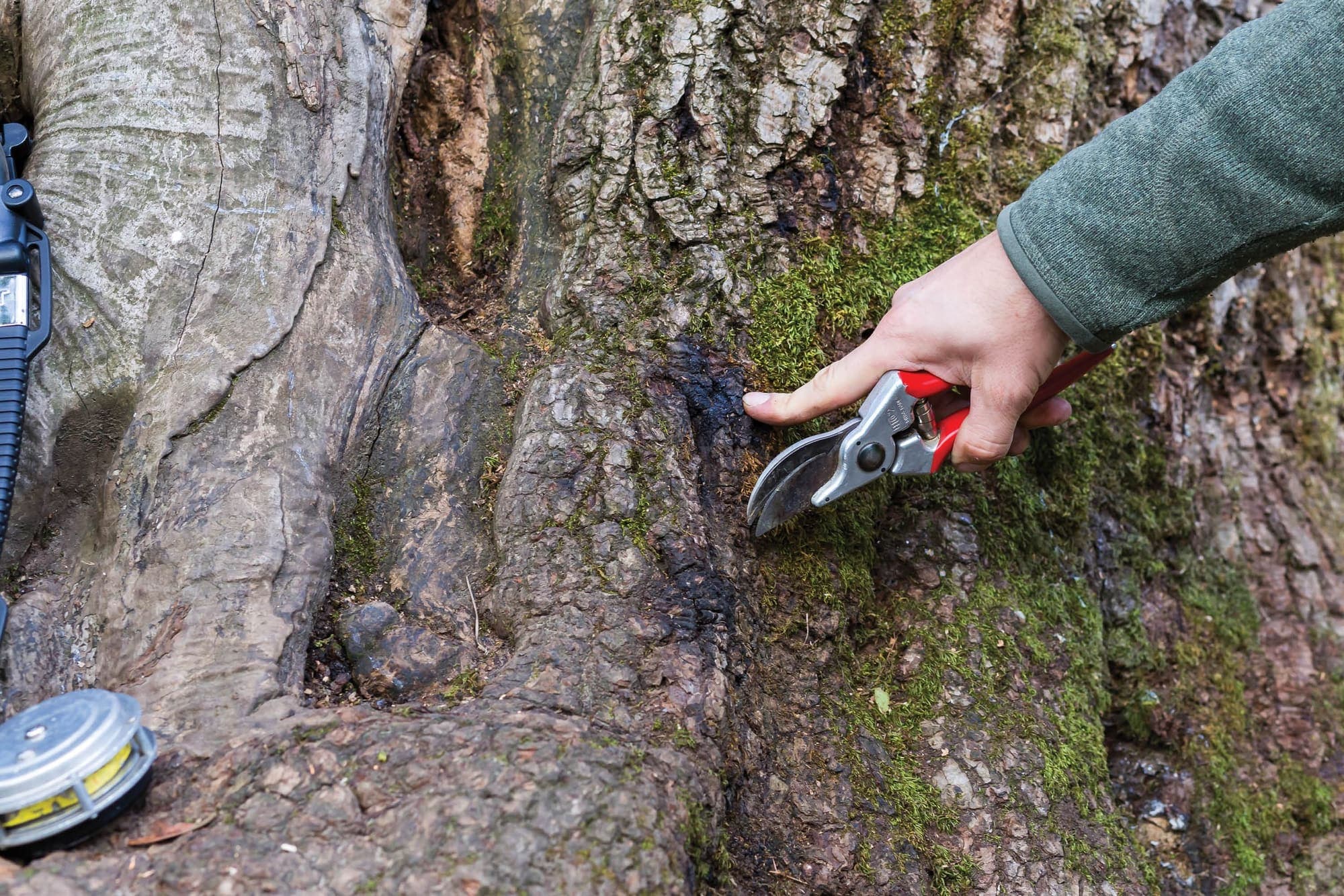
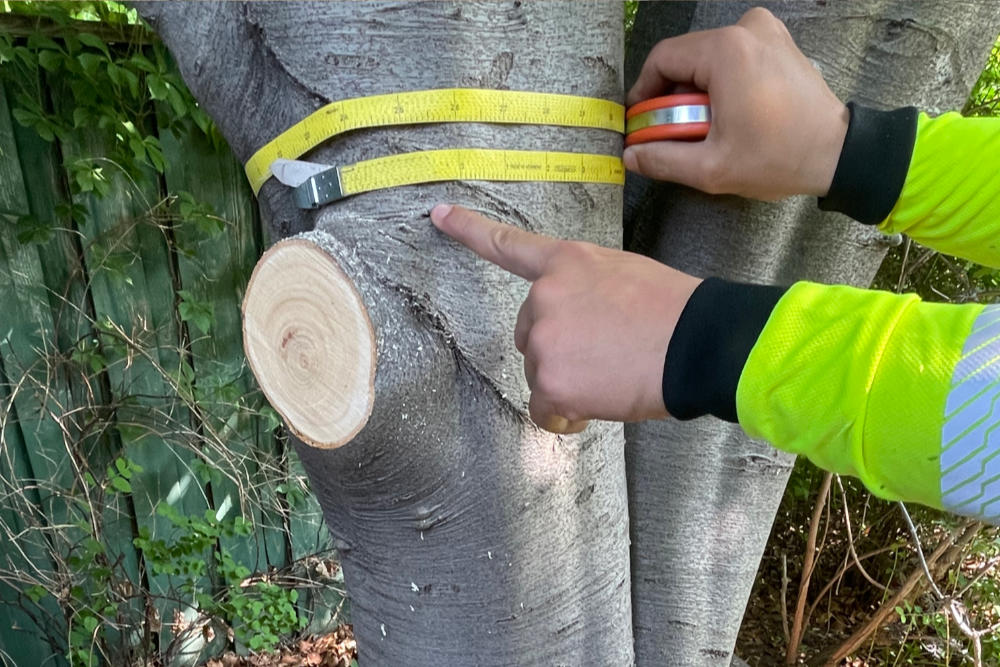
- Photographs: Clear images of the tree(s) from multiple angles
- Application fee: Varies by council ($70-$150 for basic applications)
Step 3: Consider Professional Documentation
For more complex cases or when the justification for removal is not visually obvious, professional documentation helps council assess the application evidence:
- Arborist Report: A professional assessment documenting the tree's condition, risks, and recommendation for the application
- Tree Risk Assessment: Quantified evaluation of hazards posed by the tree using industry-standard QTRA and TRAQ methodologies
- Tree Structure Testing: Advanced diagnostics that can detect internal decay and structural weaknesses
- Structural Engineer's Report: If claiming damage to foundations or structures
- Medical Certificate: If removal is requested due to health issues (allergies, etc.)
Our arborist reports are prepared by AQF Level 5 qualified consulting arborists and scoped to the relevant council context. For complex properties, we can also develop tree management plans that address long-term tree care needs.
Step 4: Submit Your Application
Most Sydney councils now accept online applications through their websites, though paper submissions are still accepted. When submitting:
- Keep copies: Retain all documentation for your records
- Reference number: Note your application reference number for follow-up
- Attachments: Ensure all supporting documents are included
- Payment: Application fees must be paid for processing to begin
Step 5: Council Assessment Process
After submission, your application will undergo these typical stages:
- Initial review: Basic check for complete documentation (1-3 days)
- Site inspection: A council officer or tree management officer will typically visit to inspect the tree (1-3 weeks)
- Assessment: Evaluation against council policies and local environmental plans including tree preservation orders and the NSW Environmental Planning and Assessment Act
- Determination: Decision to approve (with or without conditions) or reject
- Notification: Written notice of the decision
Most Sydney councils aim to process straightforward tree removal applications within 2-4 weeks, though complex cases or applications during busy periods may take longer. A pre-application consultation can help identify the information likely to be useful before submission.
Step 6: Addressing Conditions or Rejections
If your application is:
- Approved with conditions: Common conditions include replacement planting requirements or specific tree removal methods
- Rejected: You'll typically receive reasons for the refusal and can either:
- Submit a modified application addressing the concerns
- Appeal the decision through formal council review processes
- Consider alternative solutions like selective pruning
Working with an experienced arborist from the beginning significantly reduces the likelihood of rejection, as they can help prepare applications that address potential council concerns proactively.
Improving Your Approval Chances
Based on our extensive experience with Sydney councils, these strategies significantly improve the clarity of your application evidence:
1. Valid Reasons for Removal
Councils are most likely to approve removal when you can demonstrate:
- Safety hazards: Documented structural defects, disease, or instability
- Property damage: Evidence of current damage to structures or infrastructure
- Dead or dying condition: Trees in irreversible decline
- Inappropriate species: Invasive species or trees planted in unsuitable locations
- Compliance with approved development: Trees preventing reasonable development rights
Requests based purely on leaf litter, minor inconvenience, or aesthetic preferences are rarely approved without other supporting factors.
2. Professional Assessment
Professional arboricultural assessments strengthen an application by providing:
- Objective expertise: Councils can use qualified arborist opinions as part of the application evidence
- Technical documentation: Proper terminology and assessment methodology
- Compliance knowledge: Alignment with specific council policies and requirements
- Alternative solutions: Professional recommendations for tree management alternatives when removal isn't justified
3. Replacement Planting Strategy
Many councils look favourably on applications that include:
- Replacement planting plans: Proactively offering to plant new trees
- Appropriate species selection: Choosing native or suitable alternatives
- Canopy recovery strategy: Planning for long-term canopy replacement
4. Complete, Professional Applications
Avoid delays and rejections by ensuring:
- Thorough documentation: Include all required information
- Clear photographs: High-quality images showing the entire tree and specific issues
- Accurate information: Precise measurements and species identification
- Proper justification: Clear explanation of removal rationale
Understanding Non-Compliance Consequences
Removing trees without required approval in Sydney can result in significant penalties:
- Financial penalties: Fines ranging from $3,000 for individuals to $1,000,000+ for serious breaches under the Environmental Planning and Assessment Act
- Replacement orders: Mandatory planting of replacement trees (often multiple trees for each one removed)
- Legal proceedings: Potential court action for serious breaches
- Development complications: Issues with future development applications or property sales
The severity of penalties often depends on the significance of the tree, whether the removal was intentional, and if the person responsible is a repeat offender.
Conclusion: Navigating the Process Successfully
Successfully navigating Sydney's council tree removal application processes requires understanding specific local requirements, presenting strong justification, and providing proper documentation. While the process can seem daunting, with the right approach and professional support, property owners can achieve their objectives while complying with local regulations.
At Sydney Arborist Solutions, our consulting arborists have experience with tree application documentation across Sydney council contexts. Our council tree reports help present tree condition, site context, and recommendations clearly so the application is supported by professional evidence. We use local regulatory knowledge and specialised assessment methods where they are relevant to the report scope.
For professional assistance with your council tree removal application or to discuss your specific situation, contact our team for a consultation. You can also learn more about our consultation process and transparent fee structure. We're committed to helping Sydney property owners navigate tree management regulations effectively and responsibly while maintaining the balance between development needs and environmental conservation.
Visit the Sydney Arborist Solutions blog for more expert advice on tree management, council compliance, and professional arboricultural services throughout Sydney.
Aymon Dandan
Sydney Arborist Solutions
Aymon is the Operations Director of Sydney Arborist Solutions. With over a decade of experience in arboricultural assessment and consultation, Aymon brings practical local knowledge to report-led tree matters throughout Sydney.