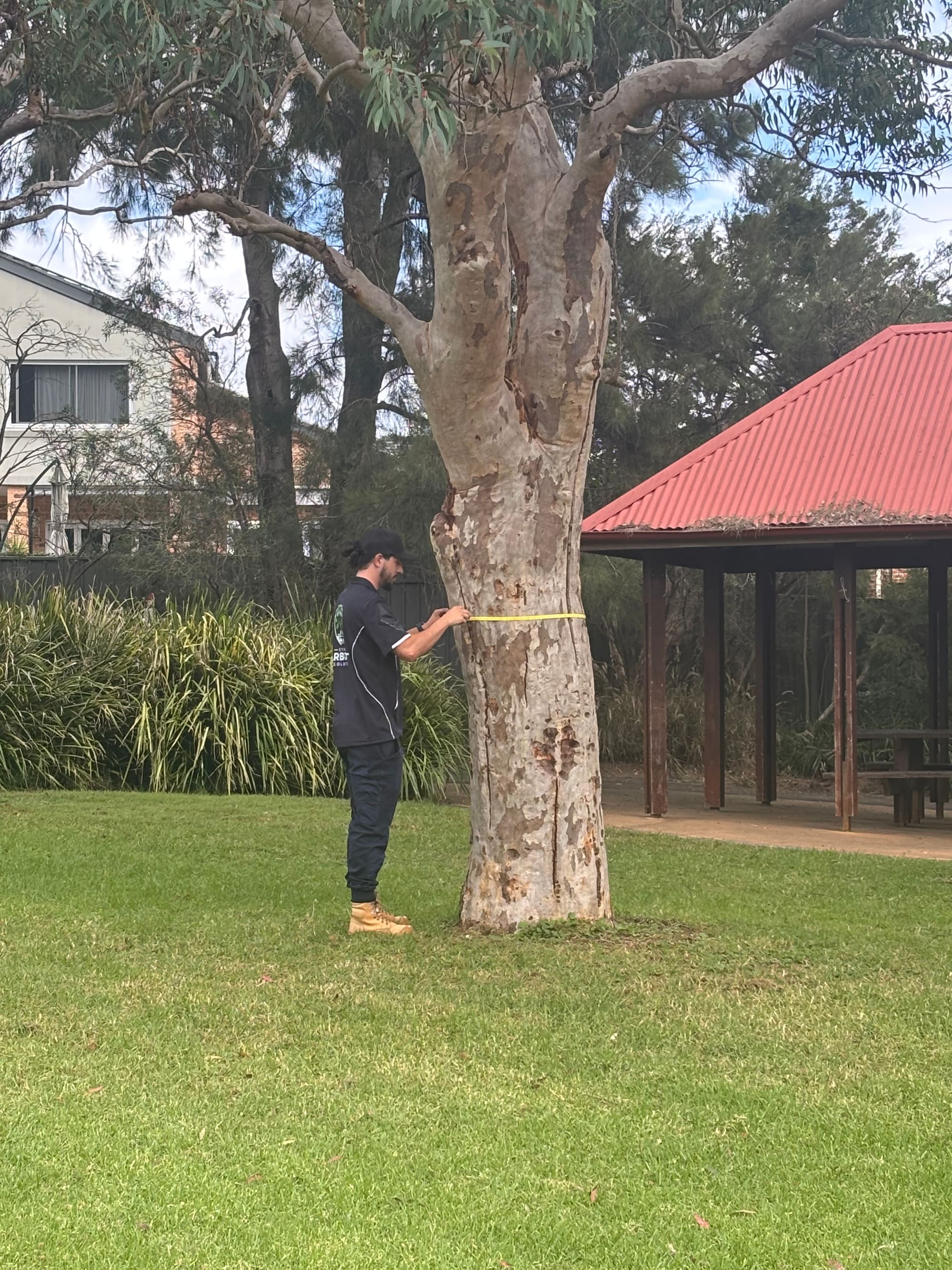
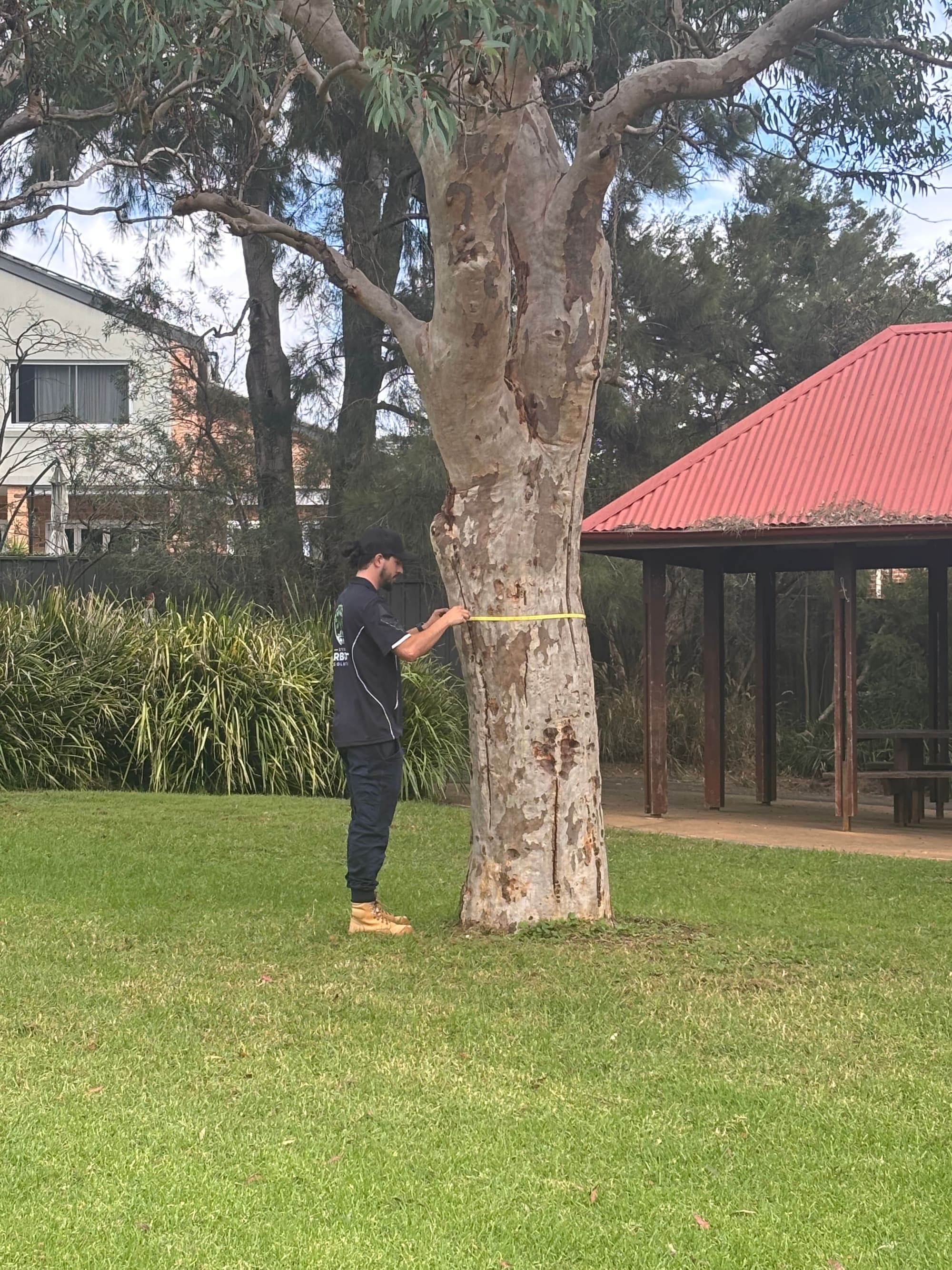
Tree Structure Testing Sydney
Advanced tree structure testing in Sydney using sonic tomography and resistograph technology where visual assessment alone cannot confirm internal decay or structural condition.
Request a Tree Structure Testing Quote
Clear scope and timing before work begins
Professional Tree Structure Testing in Sydney
Expert arboricultural services by AQF Level 5 qualified consulting arborists
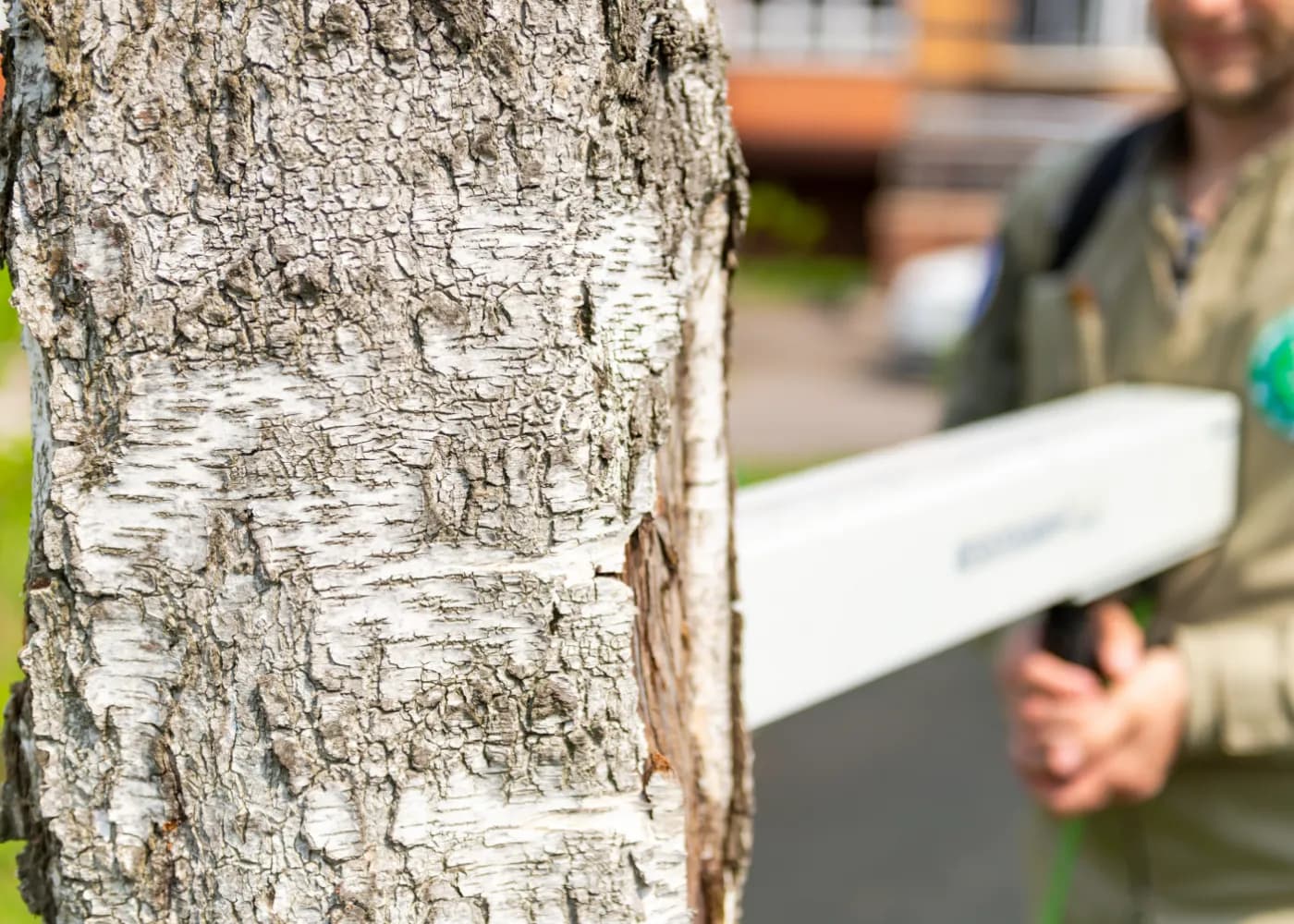
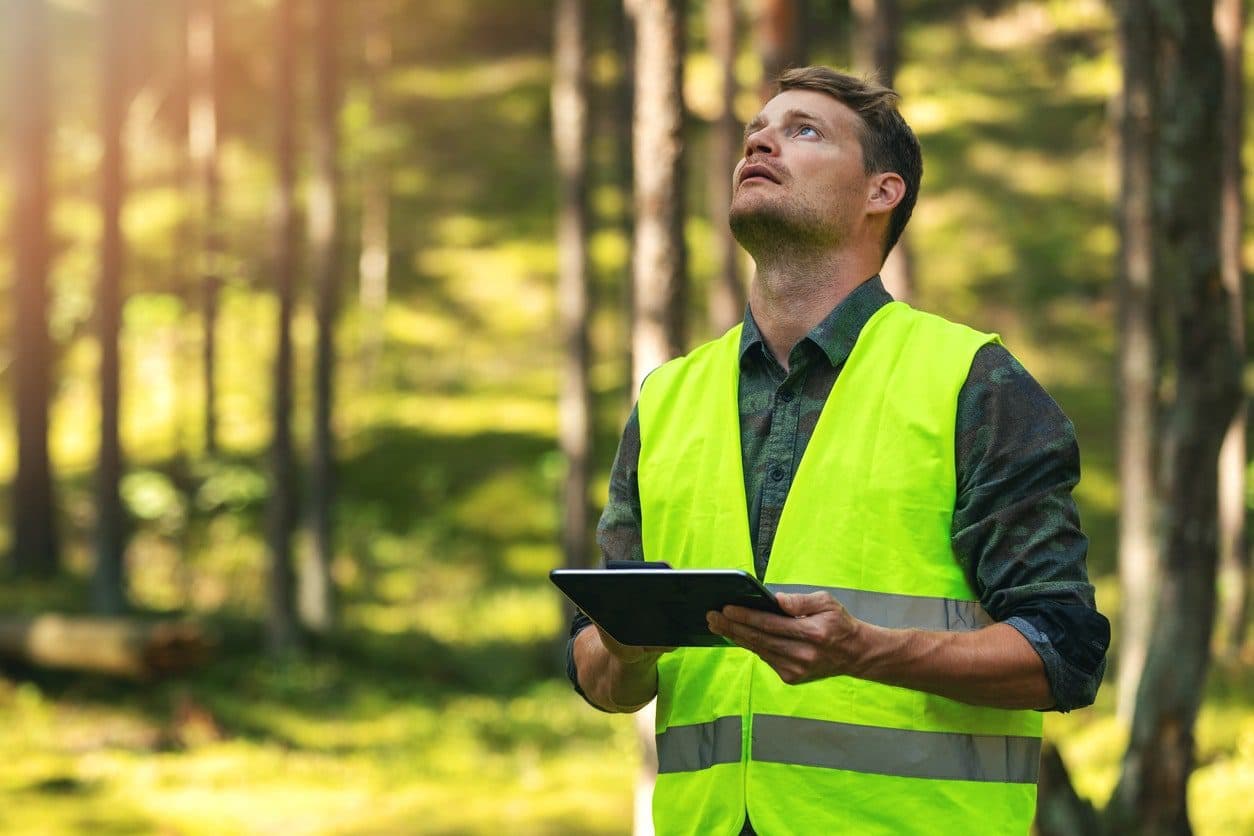
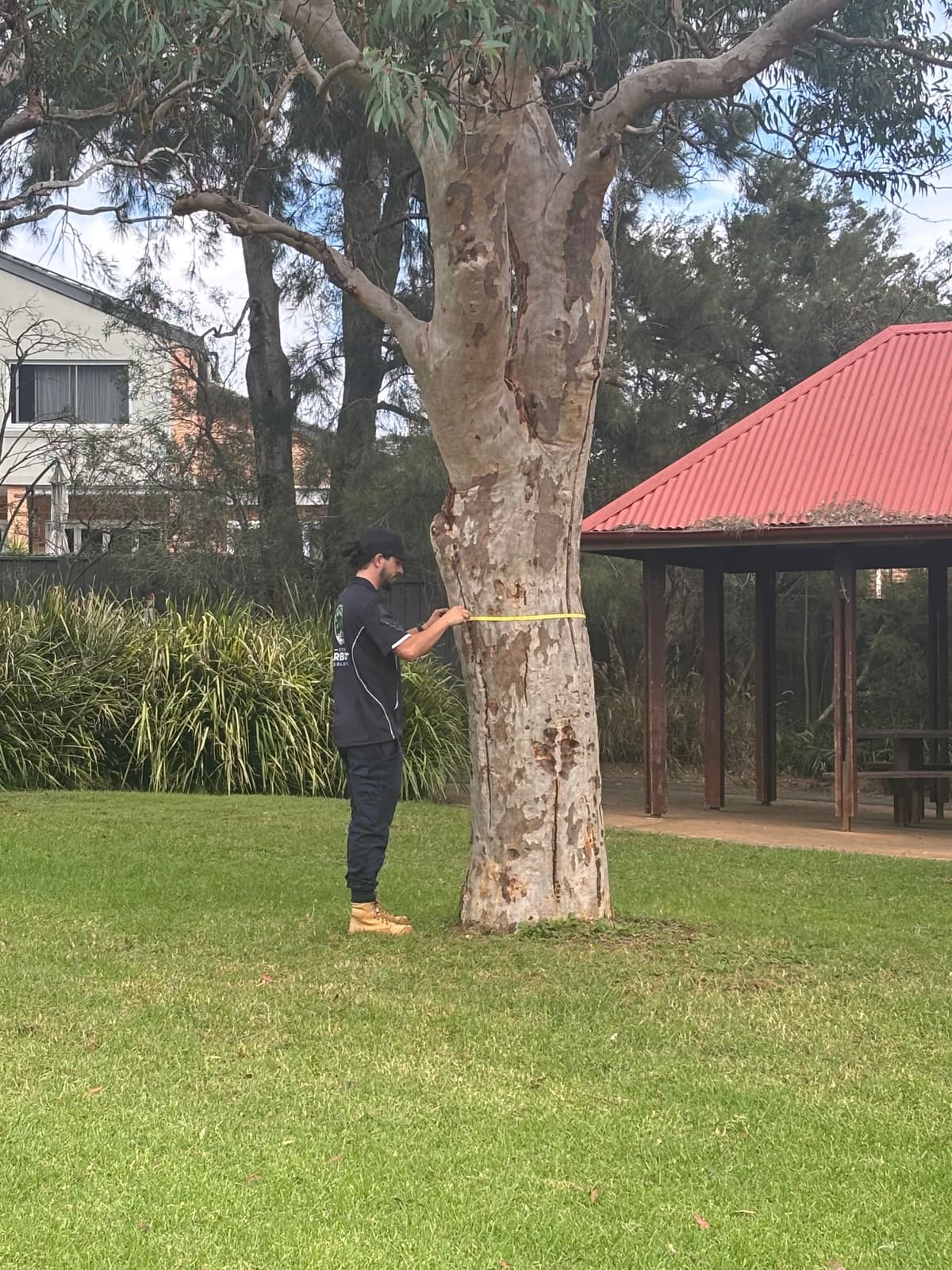
When visual inspection is not enough, our tree structure testing helps investigate what is happening inside your trees. Using sonic tomography and resistograph technology, we assess internal decay, cavities, and structural weaknesses that visual assessment alone may not confirm.
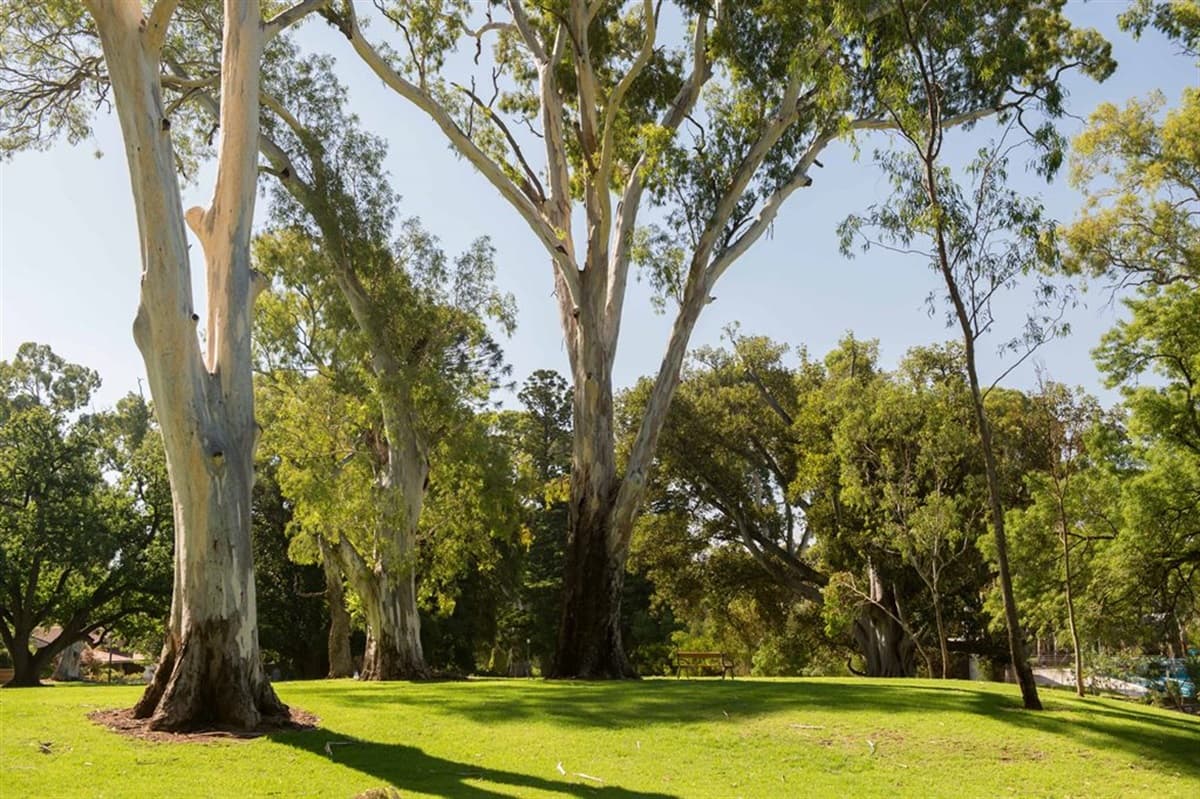
These diagnostic methods are useful for heritage trees, high-value specimens, trees in high-traffic areas, and situations where retention, risk, or council decisions need more detailed condition evidence.
Testing does not replace arboricultural judgement. Our Level 5 arborists interpret results alongside visual observations, site targets, tree biology, and report purpose so recommendations remain practical.

Sydney Arborist Solutions
AQF Level 5 Consulting Arborists
Direct Answer
When is tree structure testing useful?
Tree structure testing is useful when visual assessment raises a structural question but cannot confirm the extent of internal decay, cavities, cracks, remaining sound wood, or the evidence needed for a retention or risk decision.
Diagnostic Testing Decision Guide
Testing method selection depends on the defect, tree value, decision context, and access constraints.
Cavity, bracket fungi, crack, or old wound
Structure testing with arborist interpretation
Send defect photos, tree size, access details, and the decision context.
Overall safety concern near targets
Tree risk assessment
Assess visible condition, targets, consequences, and risk controls first.
Retaining a significant tree during works
Impact or protection assessment support
Use diagnostic evidence where it informs retention, redesign, or monitoring.
Visual Assessment, Resistograph and Sonic Tomography
The testing method is selected for the tree, defect, access conditions, and decision the evidence needs to support.
Method
Visual assessment
Best used for
Initial condition review, visible defects, site targets, tree vitality, and deciding whether additional testing is justified.
Limitations
Cannot confirm the extent of hidden decay, internal cavities, remaining sound wood, or structural condition inside the stem.
Method
Resistograph testing
Best used for
Checking selected drilling paths for wood resistance where a cavity, wound, decay column, or localised defect needs closer evidence.
Limitations
Tests only the selected path, so results need careful placement and arborist interpretation alongside visual observations.
Method
Sonic tomography
Best used for
Mapping internal condition across a cross-section where decay distribution, remaining sound wood, or retention decisions need broader evidence.
Limitations
Results are influenced by tree form, sensor placement, species characteristics, and should not be read without arboricultural context.
When Tree Structure Testing Adds Value
Advanced testing is useful when a visual inspection identifies a structural question that needs stronger internal evidence.
Testing situations we commonly assess
Suspected internal decay
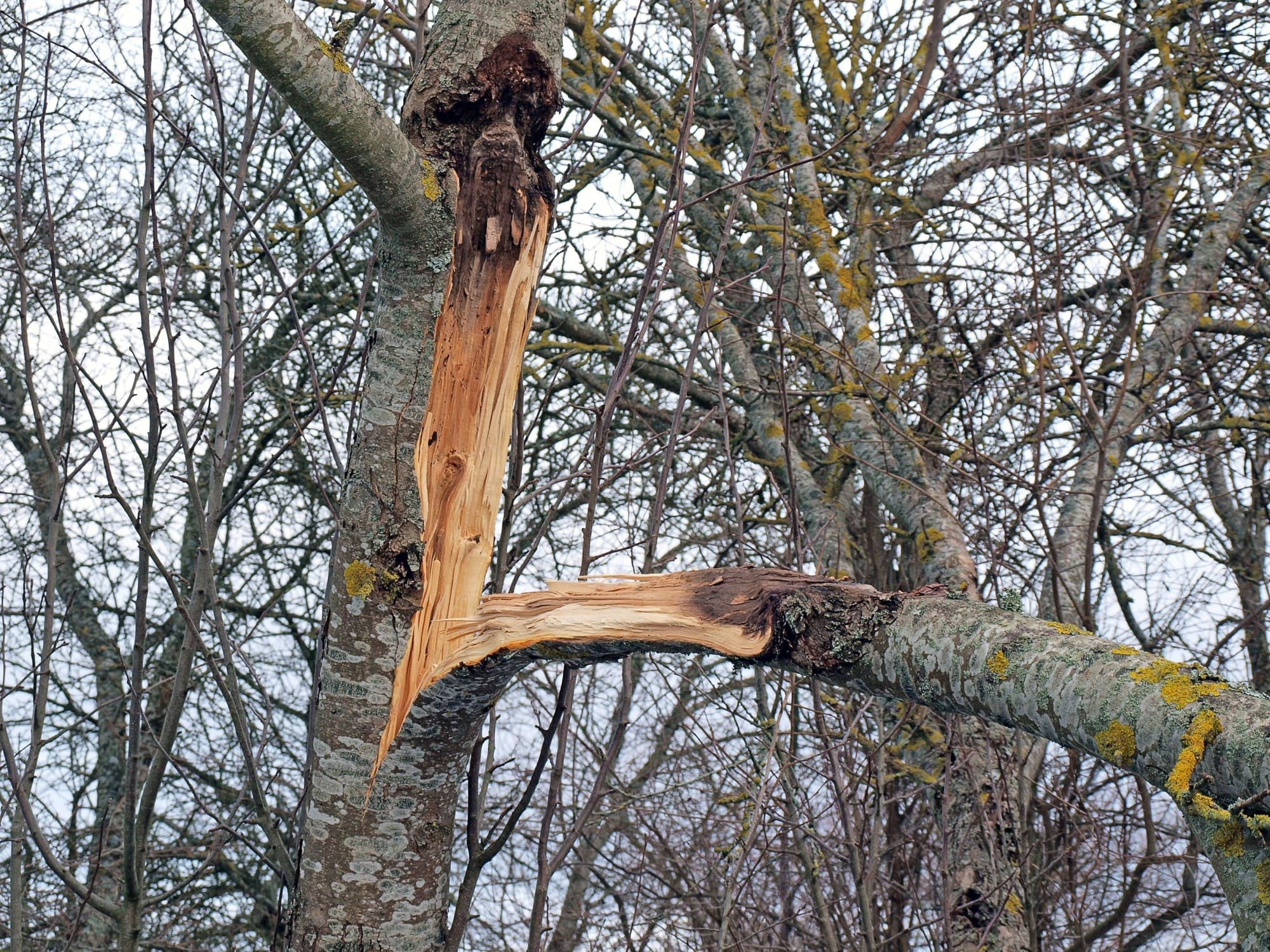
Cavities, fungal brackets, cracks, old wounds, or abnormal sounding wood may need testing before retention or removal decisions.
High-value or heritage trees
Diagnostic evidence can help avoid unnecessary removal where a significant tree may still be manageable.
High-consequence locations
Trees near buildings, public access, car parks, schools, or strata common areas may need more evidence than visual assessment alone.
Useful details for an accurate quote
Photos of the defect
Send images of cavities, cracks, decay fungi, old wounds, included bark, dead sections, or the area to be tested.
Tree size and access
Trunk diameter, site access, slope, nearby traffic, and working space affect the testing method and time required.
Decision context
Tell us whether testing is for council, insurance, safety management, heritage retention, or a second opinion.
What the final assessment usually covers
Testing method and limitations
The report explains what was tested, why that method was selected, and the limitations of interpreting internal condition data.
Internal condition findings
Tomography or resistograph results are interpreted alongside visual observations and tree biology.
Management recommendations
Recommendations may include monitoring, pruning, load reduction, protection, further testing, or removal where justified.
Start with risk assessment
If you need the overall risk context first, a tree risk assessment may be the right starting point.
Read the diagnostics guide
Learn how advanced diagnostics support structure and decay decisions.
Request diagnostic advice
Send photos and the decision context so we can advise whether testing is appropriate.
What's Included in Our Tree Structure Testing
Comprehensive arboricultural documentation and professional assessment
Sonic Tomography Testing
Non-invasive mapping of internal decay patterns by measuring sound wave travel through the trunk and creating cross-sectional images of wood condition.
Resistograph Testing
Micro-drilling technology that measures wood resistance along selected paths to help identify decay pockets, hollow sections, and compromised wood.
Testing Scope Advice
Advice on whether sonic tomography, resistograph testing, or visual assessment is appropriate for the tree, defect, and decision being made.
Internal Decay Mapping
Mapping of internal decay extent and location to support assessment of remaining sound wood, structural condition, and practical management options.
Heritage Tree Diagnostics
Specialised testing protocols for heritage and significant trees requiring detailed condition data for conservation planning and council submissions.
Structural Integrity Reports
Detailed documentation of testing results with interpretation and recommendations for property, council, insurance, or dispute contexts where appropriate.
Tree Structure Testing Pricing
Indicative published range before a fixed scope is confirmed
Published range
$300 - $5,000+
Structure testing ranges reflect published diagnostic testing guidance, from basic resistograph testing through specialised multi-technique assessment.
View Fees & PricingHow Our Tree Structure Testing Process Works
A clear consulting process helps match the report scope to the property, evidence, and decision being made.
Confirm the Diagnostic Question
We clarify what needs to be answered and whether sonic tomography, resistograph testing, or visual assessment is appropriate.
Inspect and Select Test Locations
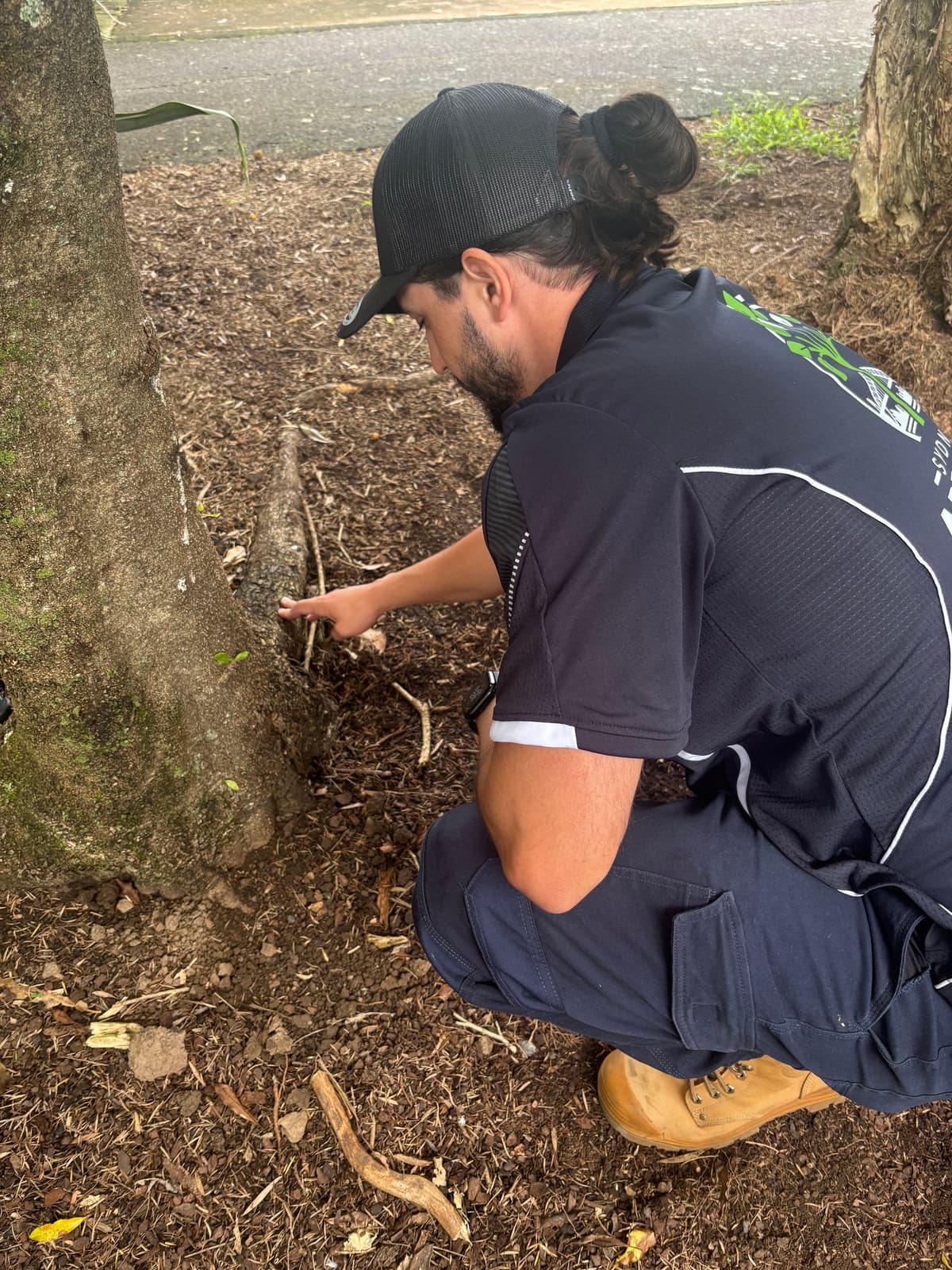
A Level 5 consulting arborist reviews visible condition, defect position, access, and the safest locations for testing.
Carry Out Structure Testing
Testing is completed using the selected diagnostic method and interpreted with the broader arboricultural assessment.
Explain the Findings
You receive a diagnostic report with results, limitations, practical recommendations, and any monitoring or follow-up needs.
Why Choose Our Tree Structure Testing?
Level 5 consulting expertise, report-led advice, and clear scopes before work begins
AQF Level 5 Certified
Our consulting arborists hold AQF Level 5 Diplomas in Arboriculture, the recognised qualification for arboricultural consulting reports in Australia.
10+ Years Experience
Over a decade of consulting experience across Sydney, with expertise in tree protection, impact assessments, and council documentation.
Council-Ready Reports
Our reports are scoped for council submissions throughout Sydney and prepared with local tree preservation requirements in mind.
Fully Insured
We maintain professional insurance settings appropriate for arboricultural consulting and property assessment work.
Clear Turnaround
Report timing is confirmed before work begins, with standard reports commonly delivered within 3-5 business days after inspection.
Transparent Pricing
Fixed-price quotes and clear report scopes help you understand the cost, deliverables, and next steps before engaging us.
Tree Structure Testing Sydney - FAQs
Common questions about tree structure testing in Sydney
Related Services
Related report and assessment services that may support the same tree structure testing pathway
Tree Risk Assessments
Professional tree risk assessments using recognised arboricultural risk frameworks to identify hazards and manage tree safety across Sydney properties.
Tree Impact Assessments
Tree impact assessments for development applications, evaluating construction impacts on retained trees and providing arboricultural impact assessment recommendations.
Tree Management Plans
Strategic tree management plans for long-term tree care, maintenance scheduling, and urban forest management across Sydney properties.
Need Tree Structure Testing in Sydney?
Professional tree structure testing by AQF Level 5 qualified arborists. Council-ready documentation with report timing confirmed before work begins.